
Backrooms Descent: Horror Game
Sushi StudiosAdventure
4.6771.00 Reviews
- Version
- 1.902
- Installs
- 5.00M
- Age Rating
- Teen
Screenshots
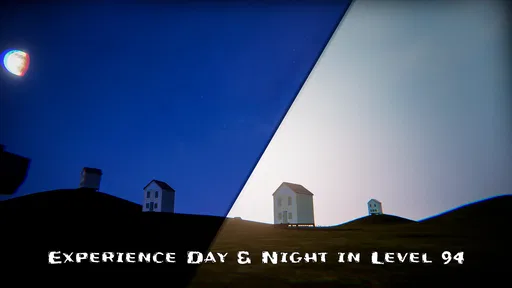
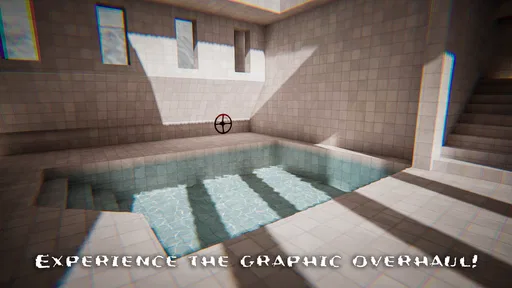
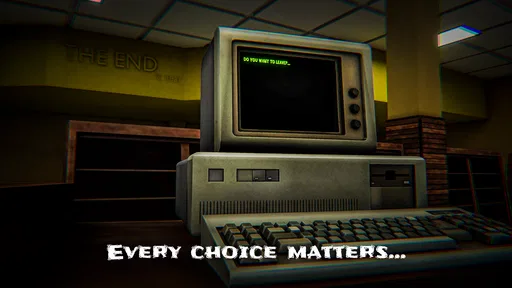
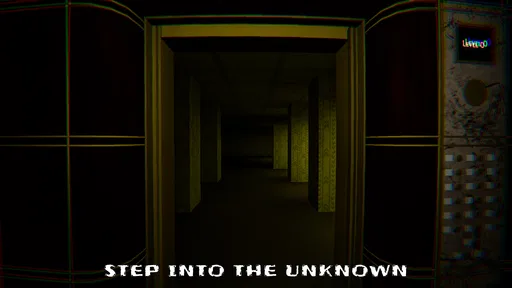
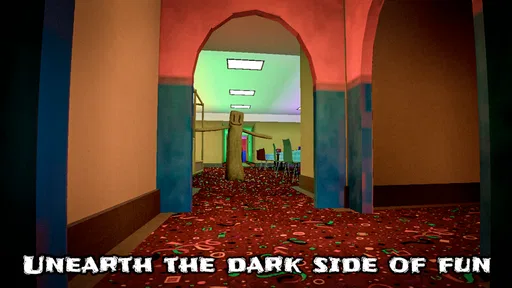
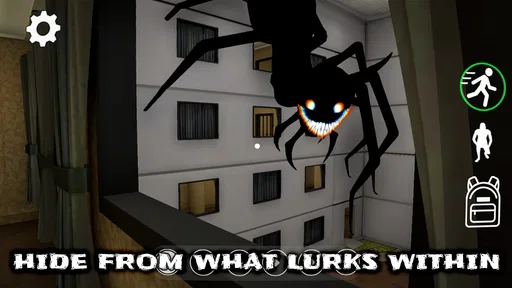
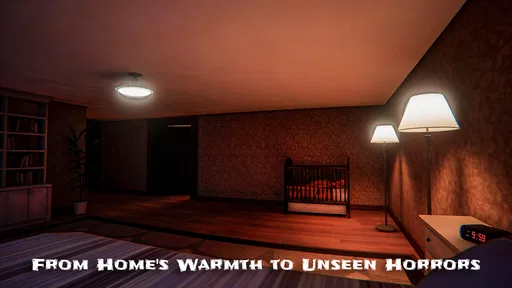
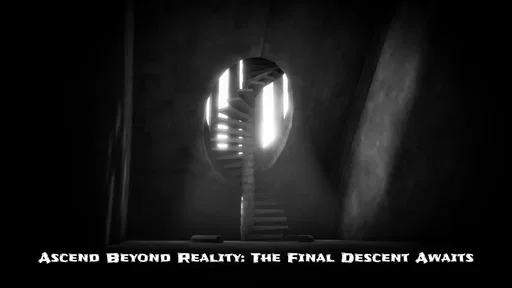
Our Review of Backrooms Descent: Horror Game
 Analysis by Appyee
Backrooms Descent: Horror Game is the kind of adventure I open when I want tension without committing to a long, complicated campaign. Its basic promise is simple: find a way through the Backrooms, survive the horror around you, and make it back to your family. That setup gives every corridor a clear emotional purpose. I am not wandering just to collect scenery; I am trying to stay calm long enough to escape.
After spending time with it, I found the appeal comes from its repeating cycle. I enter, look for a safe route, react to danger, learn from what went wrong, and try again. The game is free to start, although optional in-app purchases range from $0.99 to $99.99 per item. That makes it easy to test, but I would still approach the purchase options carefully if I prefer horror games that keep progression completely separate from spending.
My first move is always about surviving the room
The opening seconds of a run establish the right kind of pressure. I am placed in an unsettling environment where ordinary movement becomes a decision. Instead of rushing forward blindly, I first pay attention to the layout, possible exits, and anything that might signal danger. That habit matters more here than simply moving quickly.
The Backrooms setting works because it turns familiar architecture into a threat. Repeating walls, empty passages, and a lack of obvious direction make me question whether I am making progress. The game does not need a complicated story explanation every minute; the environment itself creates the unease. My immediate goal remains understandable even when the route is not: keep moving, avoid whatever is hunting me, and find the way out.
I like that this first action is not about building a powerful character or choosing from a large inventory. The focus is on my attention. I have to notice where I am, remember what I have already checked, and resist the instinct to panic. That makes the game approachable for someone who enjoys atmospheric horror but does not want a role-playing system between them and the scare.
Why the setting feels more effective than a standard chase
Many mobile horror games rely on a sudden enemy appearance and a quick escape. Here, the surrounding space does much of the work before anything dramatic happens. The uncertainty of the corridors makes a quiet moment feel active. I may be doing nothing more than deciding which direction to take, yet the decision carries weight because I cannot be sure what waits beyond the next turn.
That design also gives the game a useful contrast with traditional adventure alternatives. A conventional exploration game usually rewards me for examining a location by revealing story, items, or a new route. This one makes exploration feel risky. The reward is not always a visible object; sometimes it is simply learning that a particular approach is unsafe or that I should slow down before entering an unfamiliar area.
For a realistic everyday session, I can imagine playing during a short break with headphones on, completing a tense attempt, and stopping after a failure rather than needing to remember a large plot. It suits brief bursts better than a game that expects a quiet evening and a long uninterrupted chapter.
The feedback rhythm keeps each attempt understandable
The strongest part of the experience is the feedback rhythm: I act, the environment responds, I recognize whether the choice helped, and I adjust. Horror depends on uncertainty, but a game still needs to teach me something through my mistakes. When I take the wrong route or respond too slowly, the next attempt can feel more informed instead of completely random.
This is where patience becomes more useful than frantic movement. I learned to treat every failed run as a small lesson in timing and awareness. Rather than immediately repeating the same path, I change one decision at a time. That approach makes the game feel less like a coin toss and more like a tense problem I can gradually understand.
The most useful habit is to separate panic from information. When something frightening happens, my first reaction is to run. Once I began noticing what led to that moment, I could use the next session more intelligently. I would remember the direction I had taken, the point where I became disoriented, and whether rushing had made the situation worse.
How I manage the tension without making the game feel unfair
I recommend playing in short, focused sessions rather than treating it as background entertainment. The atmosphere loses some of its effect if I am checking messages or switching between apps. A quiet room and headphones make small environmental cues easier to appreciate, but they also make the experience more intense. If sudden horror is uncomfortable for you, playing without headphones or lowering the volume is a sensible compromise.
I also avoid exploring every corner when I already have a reasonable route. Curiosity is part of the attraction, but unnecessary detours can turn a controlled attempt into a rushed escape. My preferred method is to identify a direction, inspect nearby alternatives only when the route seems unsafe, and then keep moving. This creates a better balance between discovery and survival.
One non-obvious trade-off is that the game’s simplicity can make repetition feel personal. When I fail, I cannot blame a complicated build or a long list of equipment choices. The responsibility sits with my decisions. That is satisfying when I improve, but frustrating when I want a stronger sense of character progression to soften repeated defeats.
What counts as a reward in this horror adventure
The reward structure is mainly emotional and practical rather than the kind of constant numerical growth found in many mobile adventures. I feel rewarded when I understand a dangerous situation, reach a place that previously stopped me, or finally make a better decision under pressure. The escape objective gives those small improvements a clear direction.
That makes the game a good fit for players who enjoy mastery through familiarity. I do not need a large collection of weapons or elaborate upgrades to feel that a session mattered. Knowledge becomes the advantage. I remember what I saw, how I reacted, and where my plan fell apart. On the next attempt, that memory changes the way I play.
Compared with a typical endless runner, the reward arrives more slowly. An endless runner usually gives immediate feedback through distance, score, or collectible items. This game gives me tension first and understanding later. Compared with a story-heavy adventure, it offers less emphasis on dialogue and more on the physical feeling of being lost. Choosing between them depends on whether I want atmosphere and replayable pressure or a more guided narrative journey.
Who will enjoy the repeat-and-learn structure
I would recommend it to someone who likes horror that asks them to pay attention rather than simply watch scripted scenes. It is also a reasonable choice for mobile players who want an adventure game that can be picked up quickly. The premise is easy to grasp, and the main objective keeps the experience focused.
I would be more cautious about recommending it to someone who dislikes repeated failure, enclosed environments, or games where progress depends on learning through mistakes. It is not the right choice if you want a relaxed exploration game, a deep combat system, or a long-form role-playing adventure with extensive customization. Players who prefer guaranteed forward progress may find the reset cycle tiring.
The Teen content rating is worth taking seriously. The horror atmosphere is central rather than decorative, so I would not hand it to a younger child simply because it is free to download. For adults who enjoy suspense, the rating feels consistent with the intended mood, but sensitivity to chase scenes and disturbing settings varies from person to person.
The reset is frustrating, but it gives the next session a purpose
Failure is not just an interruption here; it is the point where the game asks me to turn experience into a new plan. When a run ends, I have to decide whether I learned enough to try again immediately or whether I was playing too quickly. That choice creates the reason another session begins. I am not restarting only because the game tells me to; I am restarting because I believe I can handle the situation better.
The reset cycle works best when I make a specific adjustment. I might choose a different direction, move more carefully, or stop spending attention on a side path. A vague “I will do better” is less useful than a clear change in behavior. This is a practical tip that improved my sessions: before restarting, I identify the exact moment where my plan stopped working.
There is a downside. Repetition can become less appealing if a failed attempt does not reveal anything new. Players who need frequent rewards may feel that the game is asking for patience without offering enough variety in return. I also found that the emotional impact of the horror depends on spacing sessions sensibly. Playing too many attempts back to back can make the atmosphere feel routine, while returning later can restore some of the tension.
The free entry point helps with that decision. I can try the core experience without paying first, see whether the repeated escape attempts suit me, and only then decide whether optional purchases are worthwhile. Because individual purchases can reach $99.99, I would set a personal limit before browsing them. The game is most appealing to me when the challenge comes from observation and nerve, not from feeling pushed toward a purchase.
Device and version considerations
The game supports Android devices running version 8.0 or later, which covers a broad range of phones and tablets. The current version is 1.902. I would still check that my device has enough free space and that I am comfortable playing a horror title on its screen size, since a smaller display can make environmental details harder to read during a tense moment.
Its reach is substantial: the game has passed five million installs, while its average rating sits at 4.6 from roughly 33 thousand ratings. Those figures suggest that the concept has connected with a large mobile audience, but they do not replace personal preference. Someone may appreciate the atmosphere and still dislike the reset-heavy structure; someone else may find the simplicity exactly what makes it enjoyable.
Sushi Studios keeps the experience centered on the Backrooms escape premise rather than turning it into a broad collection of unrelated activities. That focus is a strength when I want one clear mood, though it can also make the game feel narrow if I am looking for several different modes in one download.
My verdict on the action-feedback-reward loop
My overall impression is that Backrooms Descent: Horror Game succeeds when I treat it as a concentrated survival-horror loop. I enter an unsettling space, make a route decision, react to danger, learn from the result, and reset with a more informed plan. The reward is the feeling of control slowly returning to a place designed to take it away.
Its best quality is that the simple objective supports genuine tension. I do not need a complicated explanation to understand why I should keep going, and I do not need a large progression system to appreciate a successful escape. The environment, the uncertainty, and the possibility of doing better on the next attempt are enough to keep me engaged.
Its limitations are equally clear. Repetition may wear down players who want constant novelty, and the optional purchase range means I would pay attention before spending. It is also a focused horror adventure, not a substitute for a story-rich campaign or a relaxed exploration title. Those are not deal-breakers for me, but they define the audience.
I would recommend giving it a try if you enjoy atmospheric mobile horror, short sessions, and the satisfaction of learning through failure. Start with the free experience, play deliberately, and decide whether the reset loop motivates you or irritates you. For me, the answer is positive: the next session feels worthwhile because every mistake can become a survival lesson, and that is exactly what keeps this Backrooms adventure from being just another dark corridor game.
Verdict
Strengths of Backrooms Descent: Horror Game
- Atmospheric lighting and sound design create a tense horror experience.
- Simple controls make exploration easy for newcomers to the genre.
- Multiple areas encourage careful searching and replaying.
- Short sessions work well for playing on mobile devices.
- The unsettling environment builds suspense without relying only on jump scares.
Limitations of Backrooms Descent: Horror Game
- Some sections may feel repetitive after extended play.
- Dark environments can make navigation difficult on smaller screens.
- The horror tension may be reduced by occasional predictable encounters.
- Progress can feel slow when searching for the next objective.
- Performance may vary on older phones, especially during intense scenes.
Other Releases by Sushi Studios
View All
Backrooms Company Multiplayer
Adventure4.6

The Boiled One: Horror Game
Adventure4.6

Boisvert Analog Horror Game
Adventure4.4
Similar Picks in This Category
View All
Roblox
Roblox Corporation4.2

Pokémon GO
Niantic, Inc.3.5

Ninja warrior: legend of adven
TOH Games4.6

Ninja Arashi
Black Panther4.6

Eyes - The Horror Game
Fearless Games sp. j.4.5

Critical Action:Gun Strike Ops
FPS Shooter & Action Game4.3
Frequently Asked Questions
What is Backrooms Descent: Horror Game about?
Backrooms Descent: Horror Game is a first-person horror experience centered on exploring unsettling, maze-like environments inspired by the Backrooms concept. You must navigate unfamiliar corridors, search for clues, solve environmental puzzles, and avoid dangerous entities. The game focuses more on atmosphere, tension, and exploration than on fast-paced combat, making sound and careful movement important parts of the experience.
Is Backrooms Descent: Horror Game suitable for children?
The game may not be suitable for young children because it is designed to create fear through dark locations, sudden surprises, disturbing sounds, and encounters with hostile creatures. Players who are sensitive to horror, darkness, chase sequences, or jump scares should consider this before downloading. Parents should also check the current age rating and store description for their region.
Does the game require an internet connection to play?
Backrooms Descent: Horror Game may offer a primarily single-player experience, but connection requirements can depend on the version, platform, advertisements, updates, or other online services included by the developer. Before starting, check the store listing and test the game with mobile data and Wi-Fi disabled. An internet connection may still be needed for downloading updates or restoring purchases.
Are there advertisements or in-app purchases in the game?
The availability of advertisements and optional purchases can vary according to the device, region, and version of Backrooms Descent: Horror Game. Some mobile horror games use ads between attempts or provide optional items, bonuses, or ad-removal features. Review the Google Play or App Store listing before installing, and check the purchase settings on your device if children will be playing.
What should I do if the game runs slowly or crashes?
If Backrooms Descent: Horror Game performs poorly, first close other applications, restart your device, and make sure sufficient storage space is available. Updating the game and your operating system can also help. Lowering graphics settings, when available, may improve performance on older phones. If crashes continue, reinstall the app only after confirming that your progress is backed up or not stored locally.
Play our best games!


